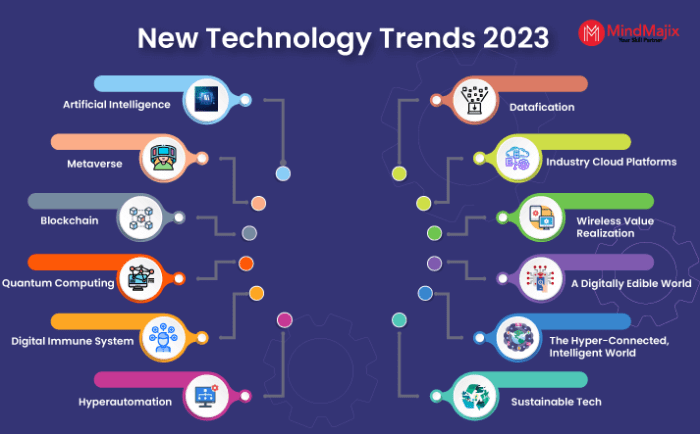
Step into the world of Mobile computing technology trends, where innovation meets practicality and the future unfolds before your eyes. From 5G to IoT integration, get ready to explore the latest advancements shaping the way we interact with technology on the go.
Discover how industries like healthcare and finance are adapting to these trends, and uncover the potential challenges and benefits that come with embracing mobile computing technologies.
Introduction to Mobile Computing Technology Trends
Mobile computing technology trends refer to the ongoing developments and innovations in the field of mobile devices, applications, and infrastructure. These trends shape the way we interact with technology on the go, impacting various aspects of our daily lives.It is crucial to stay updated with mobile computing technology trends as they have a direct impact on the devices we use, the applications we rely on, and the overall user experience.
By keeping abreast of these trends, individuals and businesses can leverage the latest advancements to enhance productivity, efficiency, and connectivity in a rapidly evolving digital landscape.
Key Factors Driving Advancements in Mobile Computing Technology
- Rapid technological advancements: The rapid pace of technological innovation is a key driver of advancements in mobile computing technology. New hardware components, software updates, and connectivity solutions are constantly being developed to enhance the performance and capabilities of mobile devices.
- Increasing demand for mobility: The growing demand for mobile solutions in both personal and professional settings is driving the development of mobile computing technology. Users expect seamless access to information and services on the go, leading to innovations in mobile applications and platforms.
- Emergence of 5G technology: The rollout of 5G networks is revolutionizing mobile computing by offering faster speeds, lower latency, and greater capacity for data transmission. This technology is enabling new possibilities for mobile devices, such as augmented reality, virtual reality, and IoT applications.
- Focus on security and privacy: With the rise of mobile threats and data breaches, there is a heightened focus on security and privacy in mobile computing technology. Developers are implementing robust security features, encryption protocols, and authentication methods to protect user data and ensure confidentiality.
Emerging Technologies in Mobile Computing
Mobile computing technology is continuously evolving, with new innovations shaping the future of mobile devices. Let’s explore some of the latest emerging technologies that are revolutionizing the mobile computing landscape.
5G Network
- 5G technology offers faster download and upload speeds, lower latency, and increased network capacity compared to its predecessors.
- It enables seamless streaming of high-definition content, smooth online gaming experiences, and improved connectivity for Internet of Things (IoT) devices.
- 5G is expected to enhance mobile computing by powering advanced applications like augmented reality (AR), virtual reality (VR), and autonomous vehicles.
Foldable Screens
- Foldable screens are a game-changer in mobile device design, allowing users to enjoy a larger display in a compact form factor.
- These screens offer versatility, enabling users to switch between a smartphone and a tablet-like experience with a single device.
- Foldable screen technology is reshaping the way we interact with our devices, offering new possibilities for multitasking and productivity.
IoT Integration
- Integration of IoT technology into mobile devices enables seamless connectivity with smart home devices, wearables, and other IoT gadgets.
- Users can control their smart home appliances, track their fitness metrics, and monitor their health using IoT-enabled mobile devices.
- IoT integration enhances the functionality of mobile computing devices, creating a more interconnected and intelligent ecosystem for users.
Impact of Mobile Computing on Various Industries
Mobile computing technology trends have revolutionized various industries, bringing about significant changes in the way they operate. Let’s explore how mobile computing is influencing sectors like healthcare, finance, education, and more.
Healthcare Industry
The healthcare industry has greatly benefited from mobile computing technologies. With the use of mobile apps and wearable devices, healthcare professionals can now track patient data in real-time, streamline communication, and improve patient care. The adoption of telemedicine has also made healthcare services more accessible to remote areas.
Finance Industry
In the finance industry, mobile banking apps have transformed the way people manage their finances. Customers can now perform transactions, check their account balances, and pay bills conveniently from their smartphones. This has led to increased efficiency, reduced costs, and improved customer satisfaction.
Education Sector
Mobile computing has revolutionized the education sector by providing students and teachers with access to a wealth of educational resources anytime, anywhere. Mobile learning apps, virtual classrooms, and online collaboration tools have made learning more interactive and engaging. This has led to personalized learning experiences and improved student outcomes.
Real-world Examples
- In healthcare, the use of mobile apps like HealthTap allows patients to consult with doctors remotely, improving access to healthcare services.
- The finance industry has seen success with mobile payment platforms like PayPal and Venmo, making transactions quick and secure.
- Educational institutions like Khan Academy have leveraged mobile technologies to provide free educational resources to students worldwide, democratizing access to quality education.
Overall, mobile computing technology trends continue to drive innovation and transformation across various industries, offering numerous benefits while also presenting challenges such as data security and privacy concerns.
Future Projections and Predictions for Mobile Computing
Mobile computing technology is constantly evolving, and experts have made several predictions regarding its future trends. These projections provide valuable insights into the direction that mobile technology is heading towards, along with the potential challenges that may arise with its implementation.
Rise of 5G Technology
With the rollout of 5G networks, mobile computing is expected to experience a significant boost in speed and connectivity. This next-generation technology will enable faster data transfer rates, lower latency, and improved network reliability. However, the implementation of 5G may also pose challenges such as infrastructure upgrades and security concerns.
Augmented Reality (AR) and Virtual Reality (VR)
The integration of AR and VR technologies into mobile devices is expected to revolutionize user experiences. From immersive gaming to interactive shopping experiences, AR and VR have the potential to transform how we interact with our devices. Challenges may arise in terms of hardware requirements and content development for these technologies.
Artificial Intelligence (AI) Integration
AI-powered features such as voice assistants and predictive analytics are becoming increasingly common in mobile applications. The future of mobile computing is likely to see a deeper integration of AI technologies, enabling personalized user experiences and enhanced automation. However, concerns around data privacy and algorithm biases may need to be addressed.
Internet of Things (IoT) Expansion
The IoT ecosystem is expanding rapidly, with more devices becoming interconnected and sharing data over mobile networks. This trend is expected to continue, leading to a more connected and smart environment. Challenges related to data security, interoperability, and scalability may arise as the IoT landscape evolves.
Wearable Technology Advancements
Wearable devices such as smartwatches and fitness trackers are gaining popularity, offering users convenient access to mobile computing capabilities. Future projections suggest that wearable technology will continue to evolve, incorporating advanced health monitoring features and seamless integration with other devices. Challenges may include battery life limitations and design constraints.
Expert Opinions
Experts in the field of mobile computing technology believe that the future holds immense potential for innovation and advancement. They emphasize the importance of addressing security and privacy concerns, ensuring seamless connectivity, and enhancing user experiences through intuitive interfaces. As mobile computing continues to shape our daily lives, experts predict a more interconnected and intelligent ecosystem that leverages the power of emerging technologies.
Emotional Freedom Technique (EFT) Overview
The Emotional Freedom Technique (EFT) is a form of psychological acupressure that involves tapping on specific meridian points on the body while focusing on a negative emotion or problem. This technique is believed to help balance the energy system and relieve psychological stress.EFT is based on the principles of traditional Chinese medicine and modern psychology. It works by releasing blockages within the energy system, which are thought to be the root cause of emotional and physical issues.
By tapping on these meridian points, it is believed that the body’s energy flow can be restored, leading to emotional healing and a sense of well-being.
Principles behind EFT and How It Works
- EFT combines elements of cognitive therapy and exposure therapy with acupressure techniques.
- By tapping on specific meridian points, EFT aims to disrupt the negative thought patterns associated with a particular issue or emotion.
- This tapping process is believed to send calming signals to the brain, reducing the body’s stress response and promoting relaxation.
- Through repeated tapping sequences, individuals can reprogram their emotional responses and release negative emotions.
History and Development of EFT as a Therapeutic Tool
- EFT was developed in the 1990s by Gary Craig, a Stanford engineering graduate and personal performance coach.
- Craig based EFT on the principles of Thought Field Therapy (TFT) developed by psychologist Roger Callahan.
- Since its inception, EFT has gained popularity as a self-help tool and a therapeutic technique used by mental health professionals.
- Research studies have shown promising results in the effectiveness of EFT for treating anxiety, PTSD, phobias, and other emotional issues.
Benefits of Emotional Freedom Technique
Emotional Freedom Technique (EFT) is a powerful tool that offers various benefits to individuals seeking emotional healing and stress relief. By tapping on specific meridian points on the body while focusing on negative emotions, EFT can help in releasing emotional blockages and restoring balance. Here are some potential benefits of practicing EFT:
Managing Stress and Anxiety
- One of the key benefits of EFT is its ability to reduce stress and anxiety levels effectively.
- By tapping on acupressure points, EFT helps in calming the nervous system and promoting relaxation.
- Many individuals have reported significant improvements in their stress and anxiety symptoms after incorporating EFT into their daily routine.
Emotional Healing and Resolution
- EFT can be a valuable tool for processing and releasing past traumas and negative emotions.
- Through tapping, individuals can address emotional issues, such as grief, anger, and fear, in a safe and empowering way.
- By tapping on specific points, EFT can help in releasing emotional baggage and promoting emotional healing.
Improved Emotional Well-being
- Regular practice of EFT has been linked to improved emotional well-being and increased feelings of peace and relaxation.
- Individuals often report feeling more balanced, centered, and emotionally resilient after incorporating EFT into their self-care routine.
- EFT can help in promoting a positive mindset and enhancing overall emotional health.
Techniques and Practices in Emotional Freedom Technique
Emotional Freedom Technique (EFT) involves a variety of techniques and practices to help individuals release negative emotions and promote emotional well-being. These techniques are commonly used in EFT sessions to address a wide range of issues and concerns.
Common Techniques Used in EFT Sessions
- Set-Up Statement: This involves stating a specific issue or problem while tapping on the karate chop point on the hand.
- Tapping Sequence: The basic EFT tapping sequence involves tapping on specific acupressure points on the body while focusing on the issue at hand.
- Reminder Phrase: While tapping on each point, individuals repeat a reminder phrase that encapsulates the issue being addressed.
- SUDS Rating: The Subjective Units of Distress Scale is often used to measure the intensity of emotions before and after an EFT session.
How to Perform Basic EFT Tapping Sequences
- Identify the specific issue or emotion you want to address.
- Create a set-up statement that acknowledges the issue and affirms self-acceptance.
- Tap on the karate chop point on the hand while repeating the set-up statement three times.
- Proceed to tap on the following acupressure points while repeating the reminder phrase: eyebrow, side of the eye, under the eye, under the nose, chin, collarbone, under the arm, and top of the head.
- Rate the intensity of your emotions on the SUDS scale before and after the tapping sequence to track progress.
Tips for Beginners Looking to Start Practicing EFT on Their Own
- Start with simple issues or emotions to gain confidence in the EFT process.
- Practice self-compassion and acceptance throughout the tapping sequence.
- Consistency is key – aim to tap regularly to experience the full benefits of EFT.
- Seek guidance from experienced EFT practitioners or online resources to deepen your understanding of the technique.
Research and Studies on Emotional Freedom Technique
Emotional Freedom Technique (EFT) has gained attention in recent years as a potential therapeutic intervention for various mental health issues. Let’s explore the scientific research and studies that support the effectiveness of EFT.
Scientific Research on EFT
- Several studies have shown that EFT can be effective in reducing symptoms of anxiety, depression, PTSD, and other psychological conditions.
- A meta-analysis published in the Journal of Nervous and Mental Disease in 2016 found that EFT significantly reduced symptoms of anxiety compared to controls.
- Research conducted at Harvard Medical School has shown that EFT can lower cortisol levels in the body, reducing stress and improving overall well-being.
Comparative Studies on EFT Efficacy
- A study published in the Journal of Clinical Psychology compared EFT to cognitive-behavioral therapy (CBT) and found that both interventions were equally effective in reducing symptoms of anxiety.
- Another study published in the Journal of Evidence-Based Integrative Medicine compared EFT to relaxation techniques and found that EFT was more effective in reducing symptoms of PTSD.
Controversies and Criticisms of EFT
- Some critics argue that the mechanisms of action of EFT are not well understood and that more research is needed to validate its effectiveness.
- There is also debate about the long-term effects of EFT and whether the benefits are sustained over time.
- Despite these criticisms, many practitioners and researchers continue to advocate for the use of EFT as a complementary therapy for mental health issues.
Final Review
As we wrap up our journey through Mobile computing technology trends, remember to stay curious and open to the possibilities that lie ahead. The future is mobile, and the possibilities are endless.
Key Questions Answered
What are some key factors driving advancements in mobile computing technology?
Factors like consumer demand for faster connectivity, technological innovation, and the need for seamless integration across devices are driving advancements in mobile computing technology.
How is mobile computing technology impacting industries like healthcare and finance?
Mobile computing technology is revolutionizing industries by enabling remote patient monitoring in healthcare and facilitating secure mobile banking services in finance, among other applications.
What are some future projections for mobile computing technology?
Future trends in mobile computing technology include advancements in AI integration, enhanced security features, and further optimization for IoT devices.


