With Mobile computing in business at the forefront, let’s dive into how this technology is reshaping the way companies operate, innovate, and thrive in the digital age.
From enhancing productivity to ensuring data security, mobile computing has become an integral part of modern business strategies, promising efficiency and flexibility like never before.
Mobile Computing in Business
Mobile computing has revolutionized the way businesses operate in the modern world. With the increasing use of smartphones, tablets, and other portable devices, businesses have been able to streamline operations, improve efficiency, and enhance communication both internally and externally.
Impact of Mobile Computing on Business Operations
Mobile computing allows employees to work remotely, increasing flexibility and productivity. It also enables real-time access to information and data, facilitating quick decision-making processes. Additionally, mobile devices can improve customer service by providing instant responses and personalized interactions.
Key Benefits of Incorporating Mobile Devices in Business Strategies
- Enhanced communication and collaboration among employees
- Increased productivity and efficiency through remote work capabilities
- Improved customer service and satisfaction with quick responses and personalized interactions
- Access to real-time data for better decision-making
Challenges in Adopting Mobile Computing Solutions
- Security risks associated with data breaches and unauthorized access
- Compatibility issues with existing systems and applications
- Managing and securing multiple devices used by employees
- Ensuring proper training and support for employees to effectively utilize mobile devices
Integration of Mobile Apps
Mobile applications play a crucial role in enhancing productivity in business environments by providing easy access to information, streamlining processes, and improving communication. They allow employees to work remotely, collaborate in real-time, and access important data on the go, leading to increased efficiency and effectiveness in various tasks.
Different Mobile App Development Platforms
- Native Apps: Developed specifically for a single platform like iOS or Android, offering high performance and user experience.
- Hybrid Apps: Combining elements of both native and web applications, allowing cross-platform compatibility and faster development.
- Progressive Web Apps: Web applications that behave like native apps, providing offline access and push notifications.
Successful Mobile App Integrations in Various Industries
- In the retail industry, mobile apps have revolutionized the shopping experience by offering personalized recommendations, easy checkout processes, and loyalty programs.
- In the healthcare sector, mobile apps have improved patient care through telemedicine, appointment scheduling, medication reminders, and access to medical records.
- In the transportation and logistics industry, mobile apps have optimized route planning, tracking shipments, managing inventory, and enhancing overall supply chain management.
Security Concerns
Data security is a critical aspect of mobile computing for businesses, as it involves the protection of sensitive information and data from unauthorized access, theft, or misuse. With the increasing reliance on mobile devices in the business sector, it is essential to address and mitigate security threats effectively.
Common Security Threats
- Malware and Phishing Attacks: Mobile devices are susceptible to malware and phishing attacks, which can compromise sensitive business data and information.
- Lost or Stolen Devices: The loss or theft of mobile devices can lead to unauthorized access to confidential business data, putting the organization at risk.
- Unsecured Wi-Fi Networks: Connecting to unsecured Wi-Fi networks can expose sensitive business information to hackers and cybercriminals.
- Data Leakage: Employees sharing sensitive business data through insecure channels or apps can result in data leakage and security breaches.
Strategies for Mitigating Security Risks
- Implement Encryption: Encrypting data stored on mobile devices can help protect it from unauthorized access in case the device is lost or stolen.
- Use Mobile Device Management (MDM) Solutions: MDM solutions enable businesses to remotely manage and secure mobile devices, ensuring compliance with security policies.
- Train Employees on Security Best Practices: Educating employees on security best practices, such as avoiding downloading apps from unknown sources or connecting to unsecured networks, can help prevent security incidents.
- Regular Security Audits: Conducting regular security audits and assessments can help identify and address potential security vulnerabilities in the mobile computing environment.
Mobile Device Management
Mobile device management (MDM) refers to the administration of mobile devices, such as smartphones, tablets, and laptops, used by employees in a business setting. It involves the deployment, monitoring, security, integration, and management of mobile devices within an organization. MDM is crucial for businesses to ensure the security of sensitive data, optimize device performance, and enhance productivity among employees.
Different Mobile Device Management Solutions
- Mobile Application Management (MAM): Focuses on managing and securing specific applications on mobile devices rather than the entire device.
- Mobile Content Management (MCM): Controls and secures access to corporate content on mobile devices, ensuring data protection.
- Containerization: Separates corporate data and applications from personal data on mobile devices, maintaining security and privacy.
- Remote Lock/Wipe: Allows administrators to remotely lock or wipe a device in case of loss or theft, preventing unauthorized access to sensitive information.
Best Practices for Implementing Mobile Device Management Policies
- Establish Clear Policies: Define and communicate mobile device usage policies to employees, outlining guidelines for device security and data protection.
- Choose the Right MDM Solution: Select a comprehensive MDM solution that meets the specific needs and requirements of your organization, considering factors like scalability, compatibility, and security features.
- Enforce Device Encryption: Require device encryption to safeguard data stored on mobile devices, reducing the risk of data breaches and unauthorized access.
- Implement Regular Updates: Ensure that mobile devices are regularly updated with the latest software and security patches to mitigate vulnerabilities and enhance protection.
- Monitor Device Usage: Monitor and track device usage patterns to identify any suspicious activities or security breaches, enabling timely response and mitigation.
Mobile Payments and Transactions
Mobile payments have revolutionized the way businesses conduct transactions in today’s digital age. With the rise of mobile payment technologies, customers can now make purchases conveniently using their smartphones or other mobile devices, leading to a seamless and efficient payment process.
Role of Mobile Payments in Modern Business Transactions
Mobile payments play a crucial role in modern business transactions by providing customers with a convenient and secure way to make purchases. With the use of mobile payment solutions, businesses can offer their customers a variety of payment options, including mobile wallets, contactless payments, and mobile banking apps. This not only enhances the overall customer experience but also increases sales by reducing friction in the payment process.
Impact of Mobile Payment Technologies on Customer Experience and Sales
- Mobile payment technologies have significantly improved the customer experience by offering a fast and convenient way to complete transactions.
- The ease of use and security features of mobile payment solutions have increased customer trust and loyalty towards businesses.
- Businesses that have implemented mobile payment solutions have seen a boost in sales due to the increased convenience and accessibility for customers.
Examples of Businesses Leveraging Mobile Payment Solutions Successfully
- Starbucks: The coffee chain’s mobile app allows customers to order and pay for their drinks ahead of time, reducing wait times and increasing customer satisfaction.
- Amazon Go: Amazon’s cashierless stores use mobile payment technology to enable customers to shop and pay for items without the need for traditional checkout lines.
- Uber: The ride-sharing service utilizes mobile payments to seamlessly process transactions between drivers and passengers, offering a convenient and cashless payment experience.
Emotional Freedom Technique (EFT)
Emotional Freedom Technique (EFT) is a form of psychological acupressure that involves tapping on specific meridian points on the body to alleviate emotional distress. It is often referred to as “tapping therapy” and is based on the principles of traditional Chinese medicine.EFT is used for emotional healing by addressing negative emotions, reducing anxiety, and relieving stress. By tapping on these specific points while focusing on the negative emotion or thought, the individual can release the emotional blockage and restore balance to their energy system.
Benefits of EFT in Managing Stress and Anxiety
- EFT can help reduce the intensity of negative emotions, such as fear, anger, and sadness, leading to a sense of calm and relaxation.
- It can be used as a self-help tool that individuals can use anytime and anywhere to manage their emotional well-being.
- EFT has been shown to be effective in treating conditions like PTSD, phobias, and anxiety disorders.
Real-life Success Stories
“After incorporating EFT into my daily routine, I noticed a significant decrease in my anxiety levels and was able to approach stressful situations with more ease and confidence.” – Sarah, 35
“I used EFT to address my fear of public speaking, and after a few sessions, I was able to deliver a presentation without experiencing the usual panic attacks. It truly changed my life.” – John, 42
Final Summary
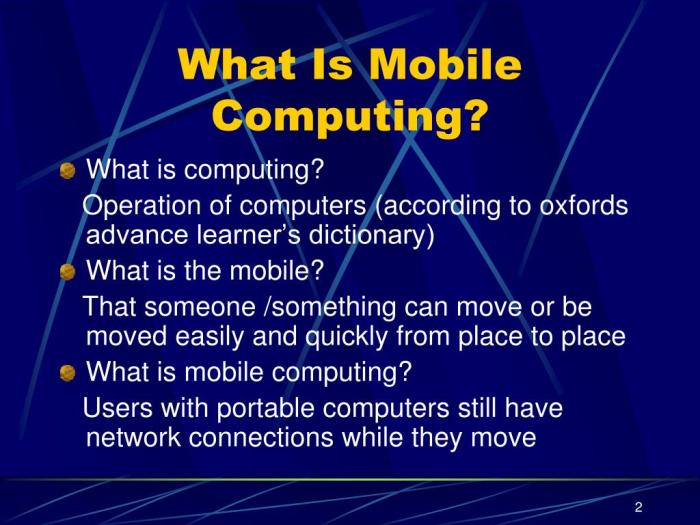
As we wrap up our discussion on Mobile computing in business, it’s evident that embracing mobile technologies is no longer an option but a necessity for businesses looking to stay competitive and relevant in today’s fast-paced world.
Common Queries
How can mobile computing impact business operations?
Mobile computing can streamline processes, improve communication, and provide real-time access to data, enhancing overall efficiency.
What are some common security threats in mobile computing for businesses?
Businesses often face risks like data breaches, malware attacks, and unauthorized access when using mobile devices for work purposes.
Why is mobile payment technology important for businesses?
Mobile payments offer convenience to customers, improve transaction speeds, and can boost sales by catering to modern consumer preferences.


