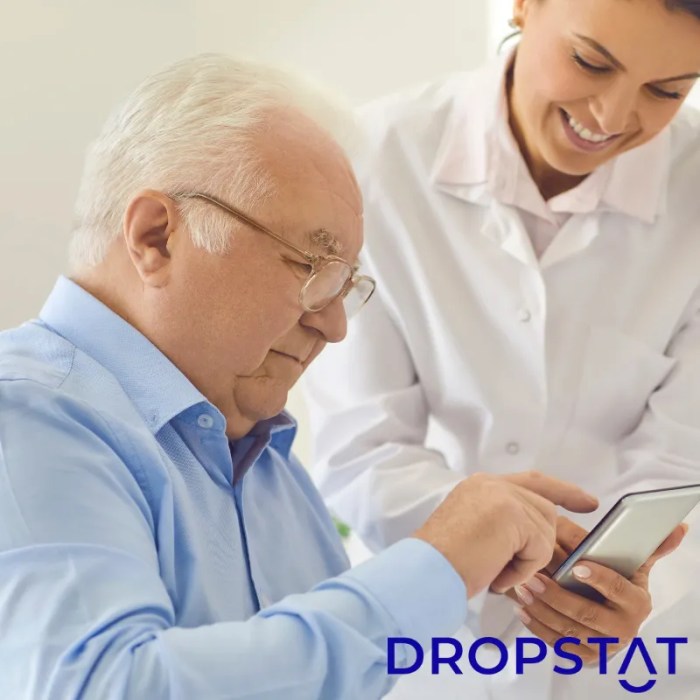
Mobile computing for healthcare sets the stage for this enthralling narrative, offering readers a glimpse into a story that is rich in detail with entertaining interactive style and brimming with originality from the outset.
As we dive deeper into the realm of mobile computing for healthcare, we uncover a world where technology seamlessly integrates with the medical field, paving the way for innovative solutions and improved patient outcomes.
Introduction to Mobile Computing for Healthcare
Mobile computing in healthcare refers to the use of portable devices like smartphones, tablets, and wearables to access, store, and manage health-related information. These devices enable healthcare providers to deliver better and more efficient care to patients, as well as empower individuals to take control of their own health.The importance of mobile computing in advancing healthcare services cannot be overstated.
It allows for real-time communication between healthcare professionals, access to electronic health records, remote monitoring of patients, and the use of health apps for tracking vital signs, medication reminders, and fitness goals. Mobile computing has the potential to improve patient outcomes, increase efficiency, and reduce healthcare costs.
Current Uses of Mobile Computing in Healthcare
- Telemedicine: Mobile devices enable remote consultations with healthcare providers, allowing patients to receive medical advice and treatment without having to visit a clinic or hospital.
- Health tracking apps: There are numerous apps available for tracking various health metrics such as heart rate, blood pressure, sleep patterns, and exercise routines. These apps help individuals monitor their health and make informed decisions about their well-being.
- Medication management: Mobile apps can remind patients to take their medications on time, track medication schedules, and provide information about potential drug interactions. This helps improve medication adherence and overall health outcomes.
- Emergency response: In case of emergencies, mobile devices can be used to quickly access medical information, call for help, and provide first aid instructions. This can be life-saving in critical situations.
Benefits of Mobile Computing in Healthcare
Mobile computing technology has revolutionized the healthcare industry, offering numerous advantages that enhance patient care, improve outcomes, and provide cost-effective solutions for healthcare providers.
Improved Access to Patient Information
Mobile computing allows healthcare professionals to access patient records, test results, and treatment plans in real-time, regardless of their location. This instant access to critical information enables faster decision-making and more efficient patient care.
Enhanced Communication and Collaboration
Mobile devices facilitate seamless communication between healthcare providers, allowing for quick consultations, sharing of information, and coordination of care. This improved collaboration leads to better patient outcomes and reduces the risk of medical errors.
Remote Patient Monitoring
With mobile computing technology, healthcare providers can remotely monitor patients’ vital signs, medication adherence, and overall health status. This proactive approach to patient care allows for early intervention and personalized treatment plans, ultimately improving patient outcomes.
Efficient Workflow and Time Management
Mobile applications streamline administrative tasks, scheduling, and patient management, optimizing workflow efficiency and reducing the burden on healthcare staff. By automating routine processes, healthcare providers can focus more on delivering quality care to patients.
Cost-Effective Solutions
Implementing mobile computing solutions in healthcare can lead to cost savings for providers through reduced paperwork, improved operational efficiency, and better resource utilization. This cost-effectiveness benefits both healthcare organizations and patients by minimizing unnecessary expenses and improving overall healthcare delivery.
Challenges and Concerns in Mobile Computing for Healthcare
Mobile computing in healthcare comes with its own set of challenges and concerns that need to be addressed to ensure the safety and effectiveness of patient care.The potential security risks associated with mobile computing in healthcare are a major concern. With the use of mobile devices, there is a risk of unauthorized access to sensitive patient information, leading to breaches in confidentiality.
It is crucial for healthcare providers to implement robust security measures, such as encryption, authentication, and secure data storage, to protect patient data from cyber threats.Regulatory compliance issues are another challenge when it comes to mobile healthcare applications. Healthcare organizations need to ensure that their mobile apps comply with regulations such as HIPAA (Health Insurance Portability and Accountability Act) to safeguard patient privacy and confidentiality.
Failure to comply with these regulations can result in hefty fines and legal consequences.Interoperability challenges also arise when integrating mobile computing into existing healthcare systems. Different healthcare systems may use incompatible technologies or standards, making it difficult to share and access patient information across platforms. This lack of interoperability can hinder communication between healthcare providers and compromise the continuity of care for patients.
Potential Security Risks
- Unauthorized access to sensitive patient information
- Data breaches and confidentiality issues
- Lack of secure data storage
Regulatory Compliance Issues
- Compliance with HIPAA regulations
- Legal consequences for non-compliance
- Ensuring patient privacy and confidentiality
Interoperability Challenges
- Incompatible technologies and standards
- Difficulty in sharing patient information across platforms
- Compromised continuity of care for patients
Future Trends in Mobile Computing for Healthcare
Mobile computing technology is constantly evolving, and its impact on the healthcare industry is expected to grow significantly in the coming years. With advancements in artificial intelligence, machine learning, and the rollout of 5G technology, mobile healthcare applications are set to become even more sophisticated and efficient.
Role of Artificial Intelligence and Machine Learning
Artificial intelligence and machine learning play a crucial role in enhancing mobile healthcare applications. These technologies can analyze vast amounts of data quickly and accurately, helping healthcare providers make more informed decisions and improving patient outcomes. AI-powered tools can automate routine tasks, provide personalized treatment recommendations, and even predict potential health issues before they arise.
Potential Impact of 5G Technology
The introduction of 5G technology is set to revolutionize mobile healthcare services by enabling faster and more reliable communication between devices. With lower latency and higher bandwidth, 5G networks will support real-time monitoring, telemedicine consultations, and the transfer of large medical files securely. This will result in improved access to healthcare services, especially in remote areas, and enhance the overall patient experience.
Emotional Freedom Technique (EFT)
Emotional Freedom Technique (EFT) is a form of psychological acupressure that involves tapping on specific meridian points on the body while focusing on a negative emotion or issue. This technique is based on the principles of traditional Chinese medicine and modern psychology, aiming to release emotional blockages and promote emotional well-being.
Applications of EFT in Promoting Emotional Well-being
EFT has been widely used to address various emotional issues such as stress, anxiety, phobias, PTSD, and more. By tapping on specific points on the body, individuals can shift their focus from negative emotions to positive affirmations, allowing them to release emotional tension and achieve a sense of calm and balance. This technique is often used in combination with talking therapy to enhance emotional healing and personal growth.
- Reduce stress and anxiety levels
- Alleviate phobias and fears
- Manage PTSD symptoms
- Improve self-esteem and confidence
- Enhance emotional resilience
Success Stories and Case Studies
One notable success story involving EFT is the case of a war veteran suffering from severe PTSD symptoms. Through regular EFT sessions, the veteran was able to significantly reduce his anxiety levels, overcome his traumatic memories, and improve his overall quality of life. EFT has also been effective in helping individuals overcome phobias, manage chronic pain, and enhance their emotional well-being.
EFT has the potential to transform the way we approach emotional healing and well-being, offering a holistic and non-invasive method to address deep-seated emotional issues.
Final Conclusion
In conclusion, the realm of mobile computing for healthcare is a dynamic landscape filled with endless possibilities and transformative potential. It’s a fusion of technology and medicine that promises to revolutionize the way we approach healthcare, ensuring a brighter and more efficient future for all.
Helpful Answers
What are some common security risks associated with mobile computing in healthcare?
Some common security risks include data breaches, unauthorized access to patient information, and malware attacks on mobile devices used in healthcare settings.
How does mobile computing improve patient care and outcomes in healthcare?
Mobile computing facilitates faster access to patient data, enables remote monitoring, enhances communication between healthcare providers, and promotes personalized care, leading to improved patient outcomes.
What role does artificial intelligence play in enhancing mobile healthcare applications?
Artificial intelligence in mobile healthcare applications can analyze large datasets quickly, provide predictive analytics for patient care, automate repetitive tasks, and enhance decision-making processes for healthcare professionals.


