
Get ready to dive into the world of Mobile computing applications with a blend of excitement and information that will keep you hooked till the end.
Let’s explore the ins and outs of mobile apps, from development to security, and everything in between.
Introduction to Mobile Computing Applications
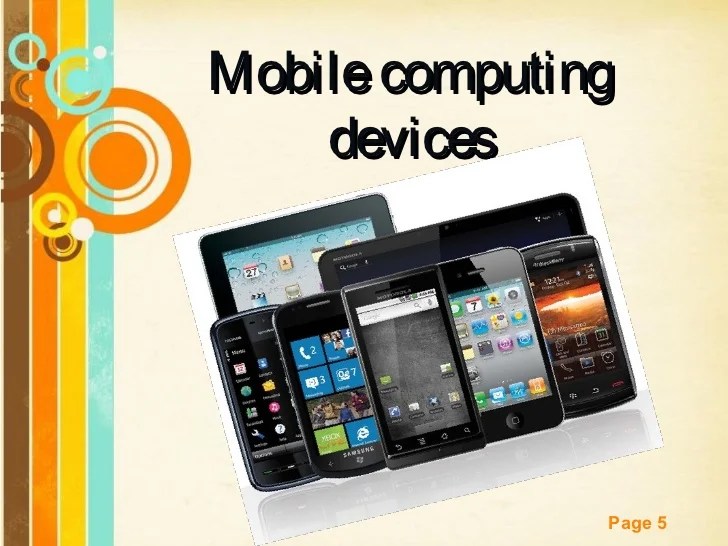
Mobile computing applications refer to software programs designed to run on mobile devices such as smartphones and tablets. These applications are tailored to take advantage of the unique features and capabilities of mobile devices, offering users a more personalized and convenient experience.
Key Features of Mobile Applications
- Responsive Design: Mobile apps are optimized for smaller screens and touch interactions, providing a seamless user experience.
- Location-based Services: Many mobile apps utilize GPS technology to offer location-specific information and services.
- Offline Functionality: Some mobile apps can still function even without an internet connection, allowing users to access essential features on the go.
- Push Notifications: Mobile apps can send real-time notifications to users, keeping them engaged and informed about updates or events.
Importance of Mobile Applications
Mobile applications have become an integral part of our daily lives, offering convenience, efficiency, and entertainment at our fingertips. With the increasing reliance on smartphones for communication, shopping, banking, and more, mobile apps play a crucial role in enhancing productivity and connectivity in today’s digital landscape.
Types of Mobile Computing Applications
Mobile applications come in various categories, each serving a specific purpose and catering to different needs of users. Let’s explore some of the most common types of mobile applications and their significance in users’ daily lives.
Productivity Applications
Productivity applications are designed to help users organize tasks, manage projects, and increase efficiency in their daily lives. Examples of popular productivity apps include Todoist, Trello, and Google Drive. These apps are essential for professionals and individuals looking to stay organized and productive throughout the day.
Social Networking Applications
Social networking applications connect people from all around the world, allowing them to interact, share content, and stay updated with the latest news and trends. Some well-known social networking apps include Facebook, Instagram, and Twitter. These apps play a significant role in keeping users connected and engaged with their friends, family, and the world.
Gaming Applications
Gaming applications provide entertainment and fun for users of all ages. From casual games to complex multiplayer experiences, gaming apps offer a wide range of options to suit every preference. Popular gaming apps like Candy Crush, PUBG Mobile, and Among Us have become a staple for users looking to relax and unwind during their free time. These apps offer a break from daily routines and provide a source of enjoyment for users.
Development of Mobile Computing Applications
When it comes to developing mobile applications, there is a structured process that developers follow, from ideation to deployment. Let’s explore the steps involved in creating mobile computing applications.
Ideation and Planning
Ideation is the first step in developing a mobile application. This involves brainstorming ideas, identifying the target audience, defining the app’s purpose, and outlining the features and functionalities it will offer.
Design and Prototyping
Once the initial concept is established, the next step is to create wireframes and prototypes to visualize the app’s user interface and user experience. Design elements such as color schemes, layouts, and navigation are carefully crafted during this phase.
Development and Programming
Programming languages play a crucial role in mobile app development. Some commonly used languages include:
- Java: Used for Android app development
- Swift: Used for iOS app development
- React Native: A framework for building cross-platform apps
- Flutter: Google’s UI toolkit for building natively compiled applications
Testing and Debugging
Thorough testing is essential to ensure the app functions correctly across different devices and platforms. Developers conduct various tests, such as unit testing, integration testing, and user acceptance testing, to identify and fix any bugs or issues.
Deployment and Maintenance
Once the app is tested and approved, it is ready for deployment to the app stores. Developers need to adhere to the guidelines set by platforms like Google Play Store and Apple App Store. Regular updates and maintenance are necessary to keep the app running smoothly and address user feedback.
User Experience Design in Mobile Applications
User experience (UX) design plays a crucial role in the success of mobile applications. It focuses on creating intuitive, user-friendly interfaces that provide a seamless and enjoyable experience for the users.
Importance of User Experience Design
User experience design is essential as it directly impacts how users interact with the app. A well-designed user interface can enhance user satisfaction, increase engagement, and ultimately lead to higher retention rates.
- Ensures ease of navigation and usability
- Enhances user engagement and satisfaction
- Builds brand loyalty and trust
Best Practices for Mobile Interface Design
When designing mobile interfaces, following best practices can help create a user-friendly experience:
- Keep the interface simple and intuitive
- Use clear and concise language
- Optimize for mobile devices with responsive design
- Provide visual feedback for user actions
- Prioritize important content and actions
Role of User Testing and Feedback
User testing and feedback are essential for improving mobile app usability. By gathering feedback from real users, developers can identify pain points, usability issues, and areas for improvement.
Iterative testing and feedback loops help refine the user experience and ensure that the app meets the needs and expectations of the target audience.
Security Challenges in Mobile Computing Applications
Mobile computing applications face a myriad of security challenges due to the nature of the devices and the data they handle. It is crucial for developers to implement robust security measures to protect sensitive information from various threats.
Common Security Threats Faced by Mobile Applications
- Malware and viruses: Mobile apps are vulnerable to malicious software that can steal data or disrupt the device’s functionality.
- Unsecured networks: Public Wi-Fi networks pose a risk as data transmitted over them can be intercepted by hackers.
- Phishing attacks: Users may fall victim to phishing scams where sensitive information is tricked out of them through fraudulent means.
- Data leakage: Improper handling of data within the app can lead to leaks, exposing sensitive information to unauthorized parties.
Strategies for Securing Sensitive Data in Mobile Apps
- Implement encryption: Utilize encryption techniques to protect data both at rest and in transit, ensuring that even if data is intercepted, it remains unreadable.
- Secure authentication: Utilize strong authentication methods such as biometrics or multi-factor authentication to ensure only authorized users can access the app.
- Regular security updates: Keep the app updated with the latest security patches to address any vulnerabilities that may be exploited by attackers.
Importance of Implementing Authentication and Encryption Mechanisms in Mobile Computing
Implementing robust authentication and encryption mechanisms in mobile computing applications is crucial to safeguard sensitive data and maintain user trust. Without these security measures in place, mobile apps are vulnerable to a range of threats that can compromise user privacy and the integrity of the app itself.
Integration of Emerging Technologies in Mobile Applications
Mobile applications are constantly evolving, and the integration of emerging technologies like AI, AR, and IoT is revolutionizing the way we interact with mobile devices. These technologies are not only enhancing user experiences but also opening up new possibilities for developers to create innovative and immersive mobile apps.
Artificial Intelligence (AI) in Mobile Applications
AI is being increasingly integrated into mobile applications to provide personalized recommendations, predictive analysis, and virtual assistants. For example, AI-powered chatbots like Siri and Google Assistant can understand natural language and assist users in various tasks, such as setting reminders, sending messages, or searching for information.
Augmented Reality (AR) in Mobile Applications
AR technology overlays digital information onto the real world, creating interactive and engaging experiences for users. Popular mobile apps like Pokemon Go and Snapchat utilize AR to enhance gaming and social media interactions. AR is also being used in education, retail, and healthcare apps to provide immersive experiences and enhance user engagement.
Internet of Things (IoT) in Mobile Applications
IoT enables devices to communicate and share data with each other over the internet, creating a connected ecosystem. Mobile apps integrated with IoT technology can control smart home devices, monitor health and fitness data, and automate daily tasks. For example, smart home apps like Nest and Philips Hue allow users to remotely control their lights, thermostats, and security cameras using their mobile devices.These emerging technologies are reshaping the landscape of mobile app development, providing endless opportunities for innovation and creativity.
As AI, AR, and IoT continue to advance, we can expect to see more sophisticated and intelligent mobile applications that enhance productivity, entertainment, and overall user experience.
Emotional Freedom Technique (EFT) Overview
Emotional Freedom Technique (EFT) is a form of psychological acupressure that involves tapping on certain meridian points on the body while focusing on specific emotional issues. This technique aims to release negative emotions, reduce stress, and promote mental well-being by restoring balance to the body’s energy systems.EFT is used to address a wide range of emotional issues such as anxiety, phobias, trauma, and depression.
By tapping on acupressure points, individuals can alleviate emotional distress and create a sense of calm and relaxation. This technique is often used in conjunction with traditional therapy to enhance its effectiveness.
History and Origins of EFT
EFT was developed in the 1990s by Gary Craig, based on the principles of acupuncture, psychology, and neuroscience. Craig believed that tapping on specific meridian points could help release blocked energy and negative emotions, leading to a state of emotional freedom. Over the years, EFT has gained popularity as a simple yet powerful tool for emotional healing and personal growth.
- EFT involves tapping on acupressure points while focusing on specific emotional issues.
- It aims to release negative emotions, reduce stress, and promote mental well-being.
- Developed by Gary Craig in the 1990s, EFT combines principles of acupuncture, psychology, and neuroscience.
- It is often used in conjunction with traditional therapy to enhance its effectiveness.
Benefits of Emotional Freedom Technique
Emotional Freedom Technique (EFT) is a powerful tool that offers numerous benefits to individuals dealing with stress, anxiety, or trauma. This technique involves tapping on specific meridian points on the body while focusing on the emotional issue at hand. By doing so, EFT can help in releasing negative emotions, reducing stress levels, and promoting overall well-being.
Improved Emotional Resilience and Self-Healing
- EFT can help individuals develop greater emotional resilience by addressing and releasing negative emotions effectively.
- Through the practice of EFT, individuals can enhance their self-healing abilities by addressing emotional blockages and limiting beliefs.
- By tapping into the body’s energy system, EFT can promote a sense of emotional balance and empowerment, leading to improved mental and emotional well-being.
Real-Life Success Stories
“I started practicing EFT to cope with my anxiety, and I was amazed by the results. After a few sessions, I felt more at ease, and my anxiety levels decreased significantly. EFT has truly helped me regain control over my emotions and live a more fulfilling life.” – Sarah
“I was skeptical about EFT at first, but after trying it out for myself, I experienced a profound shift in my emotional state. I no longer feel overwhelmed by stress, and I have a newfound sense of calmness and clarity. EFT has been a game-changer for me.” – John
Applying Emotional Freedom Technique
Emotional Freedom Technique (EFT) is a powerful tool that involves tapping on specific meridian points on the body to release emotional stress and negative energy. This technique can be easily integrated into daily self-care routines to promote emotional well-being and overall health.
Step-by-Step Guide to Performing EFT Tapping
- Calm your mind and focus on the specific emotion or issue you want to address.
- Identify the intensity of the emotion on a scale of 0 to 10, with 10 being the most intense.
- Begin by tapping the karate chop point on the side of your hand while repeating a setup statement that acknowledges the issue and affirms self-acceptance.
- Tap on the specific meridian points on the body, including the eyebrow, side of the eye, under the eye, under the nose, chin, collarbone, under the arm, and top of the head, while focusing on the emotion.
- Continue tapping each point while expressing the emotion until you feel a sense of relief or the intensity decreases.
- Reassess the intensity of the emotion and repeat the process if necessary until the intensity reaches 0.
Tips for Integrating EFT into Daily Self-Care Routines
- Practice EFT tapping in the morning to set a positive tone for the day.
- Use EFT as a tool to manage stress, anxiety, and other emotional challenges throughout the day.
- Combine EFT with mindfulness, meditation, or other relaxation techniques for enhanced benefits.
- Create a routine that includes regular EFT sessions to maintain emotional balance and well-being.
Seeking Professional Guidance for Deeper Emotional Issues
It is important to seek the guidance of a trained EFT practitioner or mental health professional when dealing with deeper emotional issues or trauma. These professionals can provide support, guidance, and expertise to help you navigate complex emotional challenges effectively.
Last Point
In conclusion, Mobile computing applications offer endless possibilities for innovation and convenience in our digital age. Stay tuned for more updates on this dynamic field!
User Queries
What are the key features of mobile applications?
Mobile applications are designed specifically for use on mobile devices, utilizing features like touch screens, GPS, and camera functionalities.
What programming languages are commonly used in mobile app development?
Popular languages include Java for Android, Swift for iOS, and JavaScript for cross-platform development.
How can mobile apps leverage emerging technologies like AI and AR?
Mobile apps can integrate AI for personalized experiences and AR for enhanced user interactions, creating innovative solutions for users.


