
Step into the world of Mobile computing software, where innovation meets convenience, offering a seamless digital experience at your fingertips.
From understanding the basics to exploring future trends, embark on a journey that revolutionizes the way you interact with technology.
Overview of Mobile Computing Software
Mobile computing software refers to applications designed to run on mobile devices such as smartphones, tablets, and wearables. These software solutions enable users to perform various tasks, access information, and communicate on the go, leveraging the capabilities of mobile hardware and connectivity.
Key Features of Mobile Computing Software
- Responsive Design: Mobile software is optimized for smaller screens and touch interfaces, providing a user-friendly experience.
- Location-based Services: Utilizes GPS and other location technologies to offer personalized content and services based on the user’s location.
- Offline Access: Some mobile apps allow users to access certain features and content without an internet connection, enhancing usability in areas with limited connectivity.
- Integration with Device Features: Mobile software can leverage device features like cameras, sensors, and biometric authentication for enhanced functionality.
Importance of Mobile Computing Software
Mobile computing software plays a crucial role in today’s digital landscape by providing users with instant access to information, services, and entertainment from anywhere at any time. With the increasing reliance on mobile devices for daily tasks and communication, the development of innovative mobile software solutions has become essential for businesses to stay competitive and meet the evolving needs of consumers.
Types of Mobile Computing Software
Mobile computing software plays a crucial role in the functionality of mobile devices, enabling users to perform a wide range of tasks efficiently. There are different types of mobile computing software, each serving a specific purpose and offering unique functionalities.
Operating Systems
Operating systems are the backbone of mobile devices, providing the necessary interface for users to interact with their devices. They manage hardware resources, run applications, and ensure smooth operation. Some popular mobile operating systems include:
- Android: Developed by Google, Android is the most widely used mobile operating system globally, known for its customization options and vast app ecosystem.
- iOS: Apple’s proprietary operating system for iPhones and iPads, known for its user-friendly interface and seamless integration with other Apple devices.
- Windows Mobile: Developed by Microsoft, Windows Mobile offers a familiar Windows interface and seamless integration with Windows PCs.
Applications
Mobile applications, or apps, are software designed to perform specific tasks or provide entertainment on mobile devices. They can range from productivity tools to games and social media platforms. Some popular mobile applications include:
- Facebook: A popular social media app that allows users to connect with friends, share updates, and explore content.
- Google Maps: A navigation app that provides directions, traffic updates, and information about local businesses.
- WhatsApp: A messaging app that allows users to send texts, make calls, and share media with contacts.
Utilities
Utilities are software tools that enhance the functionality of mobile devices by providing additional features or optimizing performance. They can include security apps, battery-saving tools, and file management software. Some popular mobile utilities include:
- Avast Mobile Security: A comprehensive security app that protects devices from malware, viruses, and other threats.
- CCleaner: A cleaning app that removes junk files, optimizes storage space, and improves device performance.
- Google Drive: A cloud storage app that allows users to store, access, and share files across devices.
Development of Mobile Computing Software
Developing mobile computing software involves a series of steps and considerations to ensure the final product meets the needs of users and functions efficiently on various mobile devices. From conceptualization to deployment, every stage plays a crucial role in the success of the software.
Process of Developing Mobile Computing Software
- Requirement gathering: Understand the needs and expectations of users to define the scope of the software.
- Design: Create wireframes and prototypes to visualize the interface and user interactions.
- Development: Write code, test functionalities, and optimize performance for different mobile platforms.
- Testing: Conduct rigorous testing to identify and fix bugs, ensuring the software works as intended.
- Deployment: Release the software on app stores or enterprise platforms for users to download and use.
Challenges and Considerations in Developing Mobile Computing Software
- Device fragmentation: Different screen sizes, resolutions, and operating systems require thorough testing to ensure compatibility.
- Performance optimization: Mobile devices have limited resources, so software must be optimized for speed and efficiency.
- Security concerns: Protecting user data and ensuring secure communication over mobile networks are critical considerations.
- Offline functionality: Designing software to work offline when connectivity is limited is a common challenge in mobile development.
Importance of User Experience Design in Mobile Computing Software Development
User experience design plays a crucial role in the success of mobile software by focusing on how users interact with the application. By creating intuitive interfaces, minimizing friction in navigation, and optimizing usability, developers can enhance user satisfaction and retention rates. A seamless user experience can differentiate mobile apps in a competitive market and drive adoption among users.
Security and Privacy in Mobile Computing Software
Mobile computing software plays a crucial role in our daily lives, allowing us to access information and perform tasks on the go. However, with this convenience comes the need for robust security measures to protect our data and privacy.
Significance of Security Measures
Security measures in mobile computing software are essential to safeguard sensitive information from unauthorized access or malicious attacks. Without proper security protocols in place, users are at risk of data breaches, identity theft, and other cyber threats.
Common Security Threats
- Malware: Mobile devices are vulnerable to malware attacks, which can compromise data integrity and privacy.
- Phishing: Cybercriminals use phishing techniques to trick users into disclosing personal information or login credentials.
- Network Spoofing: Attackers can intercept data transmitted over unsecured networks, leading to data theft.
- Unauthorized Access: Weak passwords or lack of encryption can allow unauthorized access to sensitive data stored on mobile devices.
Best Practices for Ensuring Privacy and Security
- Enable device encryption to protect data at rest and in transit.
- Use strong, unique passwords for each application and enable two-factor authentication when available.
- Keep software and apps updated to patch security vulnerabilities and protect against known threats.
- Avoid connecting to public Wi-Fi networks without using a virtual private network (VPN) for secure browsing.
- Be cautious of downloading apps from third-party sources and only install apps from reputable app stores.
Future Trends in Mobile Computing Software
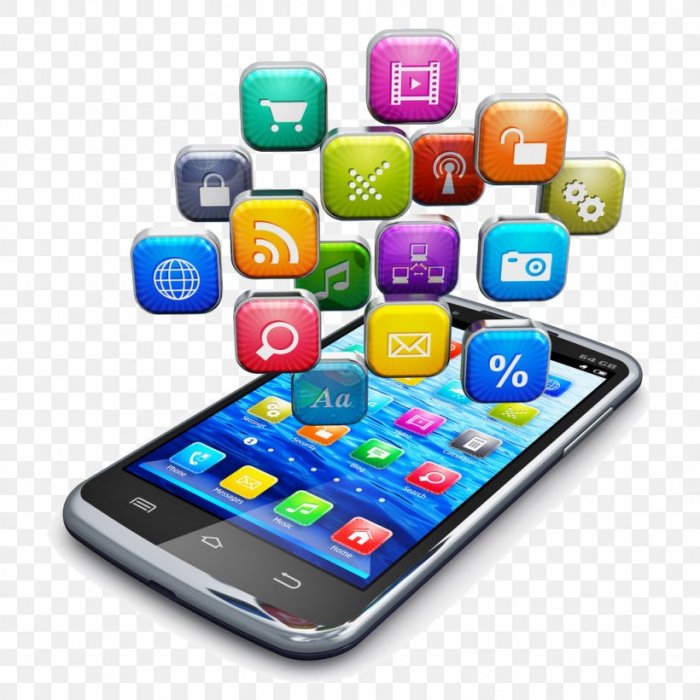
The future of mobile computing software is constantly evolving, driven by emerging technologies that are shaping the way we interact with our devices. One of the key trends that will have a significant impact on mobile software development is the integration of artificial intelligence (AI) and machine learning.
Impact of Artificial Intelligence and Machine Learning
Artificial intelligence and machine learning algorithms are revolutionizing the way mobile apps are developed and used. These technologies enable apps to learn user preferences, behaviors, and patterns, allowing for more personalized and intuitive experiences. AI-powered chatbots, virtual assistants, and predictive analytics are just a few examples of how these technologies are transforming the mobile computing landscape.
- AI and machine learning algorithms can analyze vast amounts of data to provide valuable insights and recommendations to users.
- Personalized recommendations based on user behavior and preferences can enhance user engagement and satisfaction.
- Chatbots and virtual assistants powered by AI can provide instant customer support and streamline interactions with apps.
Evolution of Mobile Computing Software
Mobile computing software is expected to evolve rapidly in the next decade, driven by advancements in technologies such as 5G, Internet of Things (IoT), and augmented reality (AR) and virtual reality (VR). These technologies will enable more immersive and connected experiences, blurring the lines between the physical and digital worlds.
- 5G technology will enable faster data speeds and lower latency, unlocking new possibilities for mobile apps and services.
- IoT integration will allow for seamless connectivity between devices, creating a more interconnected ecosystem of smart devices.
- AR and VR technologies will revolutionize how we interact with mobile devices, offering immersive experiences for gaming, shopping, and more.
Introduction to Emotional Freedom Technique (EFT)
Emotional Freedom Technique (EFT) is a form of alternative therapy that aims to release emotional distress and negative emotions by tapping on specific acupressure points on the body. The purpose of EFT is to alleviate emotional and physical pain, reduce stress, and promote overall well-being.
Principles and Methodology behind EFT
EFT is based on the principles of traditional Chinese medicine and modern psychology. It involves tapping on meridian points on the body while focusing on the specific issue or emotion causing distress. This process is believed to restore the balance of energy in the body and release emotional blockages.
- EFT combines elements of cognitive therapy, exposure therapy, and acupressure to address emotional issues.
- The methodology involves identifying the specific problem, rating its intensity, and then tapping on the acupressure points while repeating affirmations to release the negative emotions.
- By tapping on these points, EFT is thought to calm the amygdala, the part of the brain responsible for the fight-or-flight response, and reduce the emotional intensity of the issue.
Origins and History of EFT
EFT was developed in the 1990s by Gary Craig, who simplified the techniques of Thought Field Therapy (TFT) into a more accessible and user-friendly form. Since then, EFT has gained popularity as a self-help tool and therapeutic approach for addressing a wide range of emotional issues.
“The basic premise of EFT is that unresolved emotional issues are the root cause of many physical and psychological problems.”
Benefits of Emotional Freedom Technique (EFT)
Emotional Freedom Technique (EFT) is a powerful method that can provide numerous benefits for mental health and overall well-being. By tapping on specific meridian points on the body while focusing on negative emotions, EFT has been shown to alleviate stress, anxiety, and other emotional challenges.
Alleviating Stress and Anxiety
- EFT helps in reducing the levels of cortisol, the stress hormone, in the body, leading to a sense of calm and relaxation.
- Practicing EFT can release emotional blockages and negative energy, promoting a more positive outlook and reducing anxiety.
- Individuals often report feeling lighter, more at ease, and less overwhelmed after an EFT session.
Improving Emotional Well-being
- EFT can help in processing and releasing past traumas, allowing individuals to move forward with a greater sense of emotional freedom.
- By addressing and acknowledging negative emotions, EFT empowers individuals to take control of their emotional responses and improve their emotional resilience.
- Many people experience a significant reduction in depressive symptoms and an overall improvement in mood and emotional well-being through regular EFT practice.
Success Stories and Case Studies
- A study published in the Journal of Nervous and Mental Disease showed that EFT significantly reduced symptoms of PTSD in war veterans.
- Many individuals have reported successfully using EFT to overcome phobias, fears, and limiting beliefs that were holding them back in various aspects of their lives.
- Personal anecdotes and testimonials abound, with individuals crediting EFT for helping them break free from patterns of self-sabotage and experience profound emotional healing.
Applying Emotional Freedom Technique (EFT)
Emotional Freedom Technique, or EFT, is a powerful tool that involves tapping on specific acupressure points on the body to release emotional stress and promote emotional balance. Here is a step-by-step guide on how to perform EFT tapping and integrate it into your daily self-care routine.
Key Acupressure Points in EFT and their Significance
- The Karate Chop Point: Located on the fleshy outer edge of the hand, this point is used to start the EFT sequence and helps in addressing general emotional issues.
- The Eyebrow Point: Located at the beginning of the eyebrow, above the nose, this point is used to release negative emotions such as fear and anger.
- The Side of the Eye Point: Located at the end of the eyebrow, near the temple, this point is used to address feelings of guilt and sadness.
- The Under the Eye Point: Located on the bone under the eye, this point helps in releasing stress and anxiety.
- The Under the Nose Point: Located between the nose and the upper lip, this point is used to address embarrassment and shame.
- The Chin Point: Located in the crease between the lower lip and the chin, this point helps in releasing feelings of rejection and self-criticism.
- The Collarbone Point: Located just below the collarbone, this point is used to release feelings of overwhelm and stress.
- The Under the Arm Point: Located about four inches below the armpit, this point helps in releasing feelings of powerlessness and insecurity.
- The Top of the Head Point: Located at the top of the head, this point is used to promote relaxation and clarity.
Tips for Integrating EFT into Daily Self-Care Routines
- Set aside dedicated time each day for EFT practice, whether it’s in the morning to start your day on a positive note or in the evening to release accumulated stress.
- Focus on specific emotional issues or triggers that you want to address through EFT tapping, such as anxiety, anger, or self-doubt.
- Combine EFT with deep breathing exercises to enhance the relaxation and stress-relief benefits of the practice.
- Use positive affirmations or statements while tapping on the acupressure points to reinforce the desired emotional shift.
- Be consistent with your EFT practice to experience long-term benefits and emotional balance in your daily life.
Conclusion
As we wrap up our discussion on Mobile computing software, remember that the power of technology lies in your hands, shaping the future one tap at a time.
FAQ Overview
What is mobile computing software?
Mobile computing software refers to programs and applications designed for use on mobile devices like smartphones and tablets.
Why is user experience design important in mobile computing software development?
User experience design is crucial as it ensures that the software is intuitive, easy to use, and provides a seamless experience for the users.
What are some common security threats in mobile computing software?
Common security threats include malware, data breaches, and phishing attacks that can compromise the user’s sensitive information.
How can EFT benefit mental health and well-being?
EFT can help alleviate stress, anxiety, and emotional challenges, promoting overall mental well-being through its tapping techniques.
What are the key acupressure points used in EFT?
Key acupressure points include the top of the head, eyebrow, side of the eye, under the eye, under the nose, chin, collarbone, and under the arm.


