
Step into the world of mobile computing for remote work where flexibility and efficiency meet to redefine productivity. Imagine a scenario where your office is wherever you are, and your work seamlessly integrates into your life. Let’s explore how this dynamic duo of mobile technology and remote work is shaping the future of workspaces.
As we delve deeper, we’ll uncover the benefits, challenges, and best practices associated with mobile computing for remote work, providing you with a comprehensive guide to navigate this ever-evolving landscape.
Introduction to Mobile Computing for Remote Work
Mobile computing in the context of remote work refers to the use of portable devices such as smartphones, tablets, and laptops to perform work tasks outside of a traditional office setting. This allows employees to work from anywhere, providing flexibility and convenience.The importance of mobile computing for remote work productivity cannot be overstated. With the ability to access work-related information and communicate with colleagues at any time and from any location, employees can stay connected and productive even when not physically present in the office.
This leads to increased efficiency and the ability to meet deadlines and deliver results in a timely manner.Mobile devices have revolutionized remote work practices by enabling employees to work on the go and collaborate with team members from different parts of the world. With the availability of various productivity apps and tools, tasks that were once limited to the office can now be completed remotely.
This has opened up new opportunities for businesses to embrace remote work arrangements and benefit from a more flexible and agile workforce.
Benefits of Mobile Computing for Remote Work
Mobile computing offers numerous advantages for remote work, enabling employees to work efficiently from anywhere in the world. Let’s explore some key benefits and real-life examples of how mobile computing enhances remote work efficiency.
Increased Flexibility and Accessibility
- Employees can work from any location, whether it’s at home, a coffee shop, or while traveling, providing flexibility in work arrangements.
- Access to work files and applications on mobile devices allows for increased productivity and responsiveness to work demands.
- Real-life example: A sales representative can access customer data and update sales reports on-the-go, enhancing customer service and sales performance.
Cost Savings and Efficiency
- Reduced need for physical office space and infrastructure, leading to cost savings for businesses.
- Employees can save time and money on commuting, resulting in improved work-life balance and job satisfaction.
- Real-life example: A software developer working remotely saves on transportation costs and can dedicate more time to project development, leading to faster delivery timelines.
Improved Collaboration and Communication
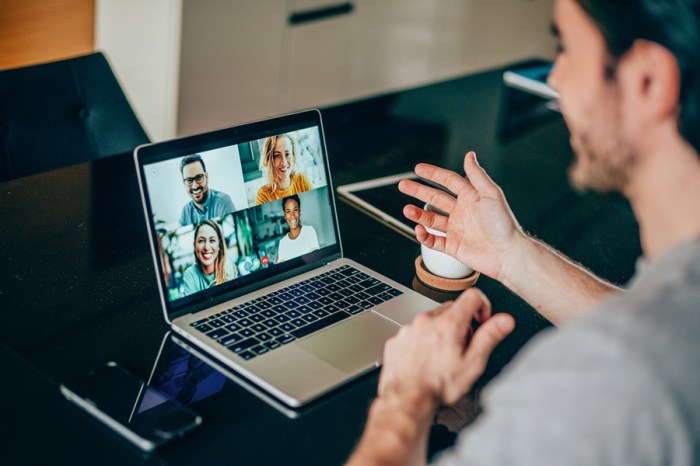
- Mobile devices facilitate seamless communication through messaging apps, video conferencing, and collaborative tools, enhancing teamwork among remote teams.
- Quick access to colleagues and supervisors for feedback and support, leading to better decision-making and problem-solving processes.
- Real-life example: A marketing team collaborates on a campaign using shared documents and real-time messaging, ensuring alignment and efficiency in project execution.
Challenges of Mobile Computing for Remote Work
Mobile computing has revolutionized the way we work, allowing for flexibility and productivity outside of traditional office settings. However, it also comes with its own set of challenges that can impact remote work efficiency. Let’s explore some of the common challenges faced when using mobile devices for remote work and strategies to overcome them.
Connectivity Issues
Connectivity is crucial for remote work, but it can often be unreliable, especially when working from remote locations. To overcome connectivity issues, remote workers can:
- Invest in a reliable mobile hotspot or portable Wi-Fi device for backup internet access.
- Utilize offline work capabilities in applications to continue working even without an internet connection.
- Choose a location with stable and strong network coverage to minimize connectivity disruptions.
Security Concerns
Security is a major concern when it comes to mobile computing in remote work environments. To address security concerns, remote workers can:
- Use strong and unique passwords for all devices and accounts to prevent unauthorized access.
- Enable two-factor authentication for an added layer of security when accessing work-related applications and data.
- Regularly update device software and applications to patch any security vulnerabilities.
- Encrypt sensitive data stored on mobile devices to protect it from potential breaches.
- Avoid connecting to unsecured public Wi-Fi networks and use a virtual private network (VPN) for secure internet connections.
Best Practices for Effective Mobile Computing in Remote Work
In today’s remote work landscape, it is essential to follow best practices to optimize mobile devices, select the right tools, and create a conducive work environment for maximum productivity.
Optimizing Mobile Devices for Remote Work Tasks
- Regularly update software and applications to ensure security and performance.
- Organize files and data using cloud storage solutions for easy access and collaboration.
- Enable multi-factor authentication to enhance security measures when accessing work-related information.
- Customize device settings to minimize distractions and improve focus during work hours.
- Invest in accessories like ergonomic keyboards and stands to enhance comfort and reduce strain during extended work periods.
Selecting the Right Mobile Devices for Remote Work
- Consider factors such as battery life, processing power, and connectivity options when choosing a mobile device.
- Evaluate compatibility with essential work applications and software to ensure seamless workflow.
- Choose devices with adequate storage capacity to accommodate work-related files and data.
- Opt for devices with built-in security features or invest in additional security software for enhanced protection.
- Test the device’s performance and usability before committing to ensure it meets your remote work requirements.
Creating a Conducive Remote Work Environment Using Mobile Technology
- Designate a dedicated workspace free from distractions to foster concentration and productivity.
- Set boundaries between work and personal life to maintain a healthy work-life balance.
- Utilize productivity apps and tools to schedule tasks, track progress, and manage time effectively.
- Establish regular communication channels with colleagues and supervisors to stay connected and informed.
- Implement cybersecurity best practices to safeguard sensitive information and prevent data breaches.
Emotional Freedom Technique (EFT)
Emotional Freedom Technique (EFT) is a form of alternative therapy that involves tapping on specific meridian points on the body while focusing on a particular issue or emotion. The purpose of EFT is to release emotional blockages, reduce stress, and promote emotional well-being.
How EFT Can Be Used to Manage Stress and Improve Emotional Well-being
EFT can be a powerful tool for managing stress and enhancing emotional health. By tapping on meridian points, individuals can help bring balance to their energy systems and alleviate negative emotions. This technique is often used to address anxiety, phobias, trauma, and other emotional issues.
- Start by identifying the issue or emotion you want to work on.
- Rate the intensity of that emotion on a scale from 0 to 10.
- Begin tapping on the specific meridian points while verbalizing affirmations or statements related to the issue.
- Continue tapping and focusing on the emotion until you feel a sense of relief or the intensity decreases.
- Reassess the intensity of the emotion and repeat the process if necessary.
EFT can be incorporated into daily routines as a self-help tool for managing stress, improving emotional well-being, and promoting overall mental health.
Conclusive Thoughts
In conclusion, Mobile computing for remote work offers a blend of convenience and innovation, empowering individuals to work from anywhere with ease. By leveraging the power of mobile devices, one can truly embrace a flexible work culture while maintaining efficiency and security. Embrace the future of work with mobile computing at your fingertips!
Answers to Common Questions
How can mobile computing improve remote work productivity?
Mobile computing allows individuals to work from anywhere, increasing flexibility and accessibility to tasks and information.
What are some common challenges faced with mobile computing in remote work?
Connectivity issues and security concerns are common challenges, but strategies exist to overcome them effectively.
Why is it important to optimize mobile devices for remote work tasks?
Optimizing mobile devices ensures smooth operation and enhances productivity, making tasks more efficient.


