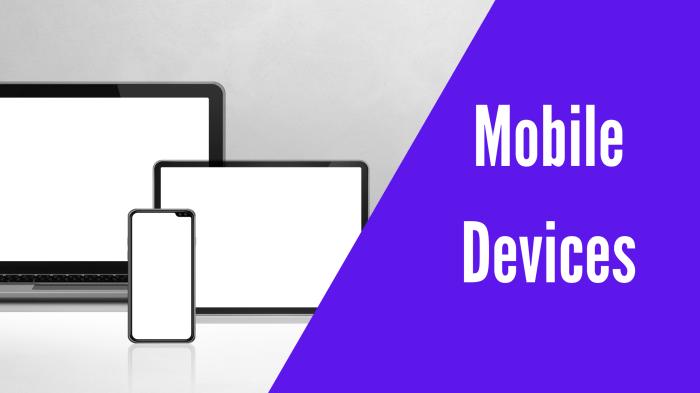
Step into the world of mobile computing devices, where innovation meets convenience and technology knows no bounds. Get ready to explore the realm of smartphones, tablets, laptops, and more in this captivating journey through the digital landscape.
From the evolution of mobile devices to the benefits they offer, this discussion will dive deep into the heart of mobile computing, revealing its impact on our daily lives.
Overview of Mobile Computing Devices
Mobile computing devices are portable electronic gadgets that allow users to access information, communicate, and perform various tasks on the go. These devices have revolutionized the way we work, socialize, and entertain ourselves in today’s digital age.
Examples of Popular Mobile Computing Devices
- Smartphones: Devices like the iPhone, Samsung Galaxy, and Google Pixel are popular smartphones that offer a wide range of features including internet browsing, camera capabilities, and app downloads.
- Tablets: Tablets such as the iPad and Samsung Galaxy Tab provide a larger screen size compared to smartphones, making them ideal for tasks like reading, watching videos, and playing games.
- Laptops: Laptops like the MacBook, Dell XPS, and Microsoft Surface are portable computers that offer the functionality of a desktop in a compact form factor, allowing users to work on the go.
The Importance of Mobile Computing Devices in Today’s Digital World
Mobile computing devices play a crucial role in our daily lives by providing instant access to information, communication tools, and entertainment options. They enable us to stay connected with others, work remotely, and access a wealth of resources at our fingertips. In a world where mobility and convenience are key, mobile computing devices have become indispensable tools for individuals and businesses alike.
Types of Mobile Computing Devices
Mobile computing devices come in various forms, each with its own set of features and use cases. Let’s explore the different types and how they compare to each other.
Smartphones
Smartphones are handheld devices that combine the functionality of a mobile phone with advanced computing capabilities. They typically feature touchscreens, internet connectivity, cameras, and access to mobile apps. Smartphones are versatile devices used for communication, entertainment, productivity, and more.
Tablets
Tablets are larger mobile devices with touchscreen displays, similar to smartphones but with bigger screens. They offer a more immersive experience for tasks like web browsing, watching videos, reading ebooks, and playing games. Tablets are popular for media consumption and casual productivity tasks.
Laptops
Laptops are portable computers that offer a full keyboard, trackpad, and larger display for more robust computing tasks. They are designed for productivity, content creation, gaming, and other demanding applications. Laptops provide a balance between performance and portability, making them ideal for work on the go.
Wearables
Wearables are devices that can be worn on the body, such as smartwatches and fitness trackers. They offer features like health monitoring, notifications, and access to apps in a compact form factor. Wearables are primarily used for fitness tracking, notifications, and quick access to information without the need to pull out a smartphone.
Comparing Features
| Device Type | Key Features |
|---|---|
| Smartphones | – Touchscreen interface
– Camera |
| Tablets | – Larger touchscreen display
– Gaming – Reading |
| Laptops | – Full keyboard – Trackpad
|
| Wearables | – Health monitoring – Notifications
|
Specific Use Cases
- Smartphones: Communication, social media, mobile gaming, productivity apps.
- Tablets: Media consumption, reading, gaming, casual productivity.
- Laptops: Work, content creation, gaming, heavy computing tasks.
- Wearables: Fitness tracking, notifications, quick access to information.
Evolution of Mobile Computing Devices
Mobile computing devices have come a long way since their inception, evolving rapidly to meet the demands of modern users. Let’s explore the journey of mobile computing devices from the past to the present and the key technological advancements that have shaped them.
Early Mobile Devices
Before smartphones and tablets became ubiquitous, early mobile computing devices were primarily focused on providing basic functionalities such as phone calls and text messaging. Devices like PDAs (Personal Digital Assistants) and early smartphones laid the foundation for what was to come.
Introduction of Smartphones
The introduction of smartphones revolutionized the mobile computing industry. With the launch of the iPhone in 2007, smartphones began to offer advanced features such as touchscreens, internet connectivity, and app ecosystems. This marked a significant shift towards more powerful and versatile mobile devices.
Advancements in Processing Power and Connectivity
Over the years, mobile computing devices have witnessed remarkable advancements in processing power and connectivity. The integration of powerful processors, increased RAM, and faster internet speeds have made modern smartphones and tablets capable of handling complex tasks and multitasking with ease.
Enhanced User Experience and Versatility
Mobile computing devices have become more user-friendly and versatile with the introduction of intuitive user interfaces, advanced operating systems, and a wide range of apps. From productivity tools to entertainment apps, mobile devices now offer a diverse range of functionalities to meet the needs of users in various domains.
Integration of AI and IoT
The integration of Artificial Intelligence (AI) and Internet of Things (IoT) technologies has further enhanced the capabilities of mobile computing devices. AI-powered assistants, smart home integration, and seamless connectivity with IoT devices have made mobile devices indispensable in the digital age.
Future of Mobile Computing
As we look towards the future, the evolution of mobile computing devices is expected to continue at a rapid pace. Advancements in technologies such as 5G, foldable displays, and augmented reality are likely to shape the next generation of mobile devices, offering even more power and versatility to users.
Benefits of Using Mobile Computing Devices
Mobile computing devices offer numerous advantages in daily life, enhancing productivity, convenience, communication, and connectivity. These devices have revolutionized the way we work, communicate, and access information on the go.
Improved Productivity and Convenience
Mobile computing devices such as smartphones, tablets, and laptops have made it easier for individuals to work remotely, collaborate with others, and access important information anytime, anywhere. With the ability to check emails, attend virtual meetings, and work on documents while on the move, users can stay productive even outside the office. This increased flexibility and convenience have transformed the way we approach work and has led to a more efficient and dynamic work environment.
Enhanced Communication and Connectivity
Mobile computing devices have significantly improved communication and connectivity by enabling users to stay in touch with others through various communication channels such as calls, texts, emails, and social media platforms. These devices have also made it easier to access the internet, connect to Wi-Fi networks, and share information with others in real-time. As a result, mobile computing devices have strengthened social connections, facilitated collaboration, and expanded networking opportunities on a global scale.
Security and Privacy Concerns with Mobile Computing Devices
Mobile computing devices are susceptible to various security threats that can compromise the privacy and data of users. It is crucial to be aware of these risks and take proactive measures to protect personal information stored on these devices.
Common Security Threats
- Malware: Mobile devices are vulnerable to malware attacks that can steal sensitive information or disrupt device functionality.
- Phishing: Cybercriminals may use phishing techniques to trick users into revealing their personal data or login credentials.
- Unsecured Wi-Fi Networks: Connecting to unsecured Wi-Fi networks can expose devices to hackers who can intercept data transmissions.
Tips for Securing Mobile Devices
- Install Security Software: Use reputable antivirus and anti-malware software to protect your device from malicious attacks.
- Enable Device Encryption: Encrypting data on your device can prevent unauthorized access in case the device is lost or stolen.
- Update Software Regularly: Keep your device’s operating system and applications up to date to patch security vulnerabilities.
- Use Strong Passwords: Set up strong, unique passwords for your device and accounts to prevent unauthorized access.
Importance of Data Protection
Protecting personal data on mobile computing devices is essential to prevent identity theft, financial fraud, and privacy breaches. By implementing security measures and being cautious about online activities, users can safeguard their sensitive information from falling into the wrong hands.
Emotional Freedom Technique (EFT) Overview
Emotional Freedom Technique (EFT) is a form of psychological acupressure that involves tapping on specific meridian points on the body while focusing on a negative emotion or traumatic memory. This technique aims to balance the energy system and alleviate emotional distress.
History and Development of EFT
EFT was developed by Gary Craig in the 1990s based on the principles of acupuncture and modern psychology. Craig simplified the existing techniques to create a user-friendly method that could be easily learned and applied by anyone. Over the years, EFT has gained popularity as a self-help tool for emotional healing.
Principles and Theory behind EFT
- EFT is based on the concept that negative emotions are caused by disruptions in the body’s energy system.
- By tapping on specific meridian points, EFT aims to restore balance to the energy system and reduce the intensity of negative emotions.
- During the tapping process, individuals are encouraged to focus on the negative emotion or memory while also affirming self-acceptance and self-compassion.
- The combination of tapping and psychological exposure is believed to help desensitize the individual to the negative emotion or memory, leading to emotional healing.
Applications of Emotional Freedom Technique
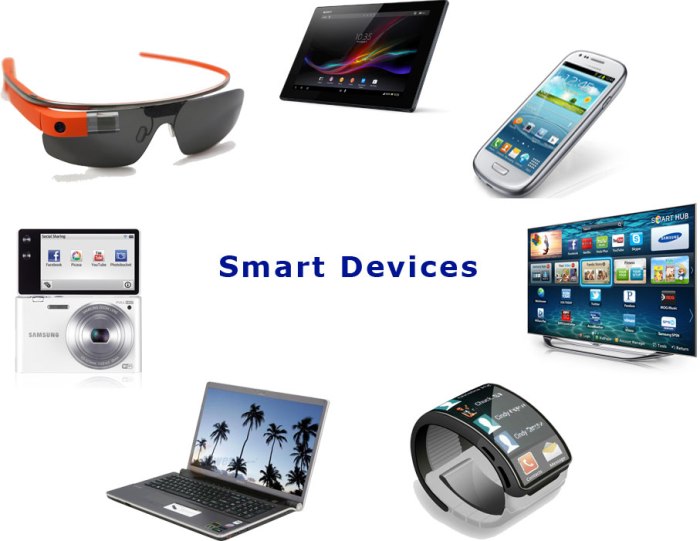
Emotional Freedom Technique (EFT) is a powerful tool that can be used to address a wide range of emotional issues by tapping on specific meridian points on the body. This technique helps in releasing negative emotions, reducing anxiety, and promoting emotional well-being.
Addressing Various Emotional Issues
- EFT can be used to alleviate stress and anxiety by tapping on specific points while focusing on the negative emotions.
- It has been effective in treating phobias, PTSD, depression, and other emotional traumas by helping individuals release the emotional charge associated with these issues.
- EFT can also be used to improve self-esteem, boost confidence, and promote a positive outlook on life by addressing underlying emotional blocks.
Examples of Effective Scenarios
- Studies have shown that EFT can significantly reduce symptoms of anxiety and improve overall emotional well-being in individuals suffering from anxiety disorders.
- In one case study, a woman with a severe phobia of flying was able to overcome her fear and board a plane after a few EFT sessions, leading to a significant improvement in her quality of life.
- Many individuals have reported feeling a sense of relief, calmness, and emotional balance after using EFT to address past traumas and negative emotions.
Potential Benefits of EFT
- By incorporating EFT into a wellness routine, individuals can experience reduced stress levels, improved emotional resilience, and a greater sense of emotional freedom.
- EFT can be a cost-effective and non-invasive way to address emotional issues and promote mental well-being without the use of medications or therapy.
- Regular practice of EFT can lead to long-term emotional healing, increased self-awareness, and a more positive outlook on life.
Techniques and Practices of Emotional Freedom Technique
EFT, or Emotional Freedom Technique, is a powerful method that involves tapping on specific meridian points on the body to release emotional and physical distress. Here, we will explore the step-by-step process of performing EFT, common techniques used in EFT sessions, and the importance of proper training and guidance when practicing EFT.
Step-by-Step Process of Performing EFT
- Identify the specific issue or emotion you want to address with EFT.
- Rate the intensity of that emotion on a scale from 0 to 10, with 10 being the most intense.
- Create a setup statement that acknowledges the issue and affirms self-acceptance despite the problem.
- Tap on specific meridian points on the body while repeating the setup statement and focusing on the issue.
- Reassess the intensity of the emotion after a round of tapping and continue until the intensity is reduced.
Common Techniques and Practices Used in EFT Sessions
- The Movie Technique: Recalling a traumatic event as if watching a movie, tapping through the scenes to release emotional distress.
- The Tearless Trauma Technique: Addressing traumatic memories without reliving the emotional intensity, making it a gentler approach.
- The Personal Peace Procedure: Creating a list of all unresolved issues and systematically tapping on each one to bring emotional relief.
The Importance of Proper Training and Guidance in EFT
Proper training and guidance are essential when practicing EFT to ensure effective results and avoid potential pitfalls. Working with a certified EFT practitioner or undergoing training programs can provide valuable insights, techniques, and support to navigate through emotional blocks and achieve lasting emotional freedom.
Final Summary
As we wrap up our exploration of mobile computing devices, remember that the power of mobility lies in your hands. Embrace the endless possibilities that these devices offer and unlock a world of connectivity and convenience at your fingertips.
Q&A
How do mobile computing devices enhance productivity?
Mobile computing devices allow users to work on the go, access information quickly, and collaborate seamlessly with others, boosting productivity levels.
What are some security measures to protect mobile devices?
Using strong passwords, enabling two-factor authentication, and keeping software up to date are essential steps to safeguarding mobile devices from cyber threats.
Can mobile computing devices improve communication?
Absolutely! Mobile devices enable instant communication through calls, texts, emails, and social media platforms, bridging distances and fostering connections.


