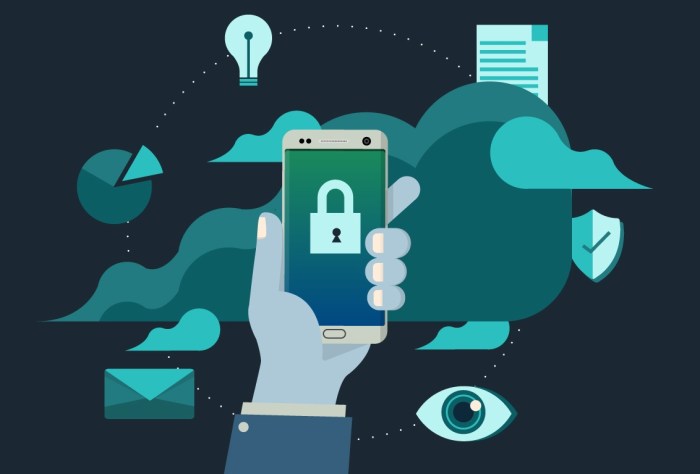
With Mobile computing security issues at the forefront, get ready to dive into the world of digital protection where every click matters and every download could be a potential risk. Brace yourself for an enlightening journey filled with tips, tricks, and a sprinkle of humor.
Get ready to unlock the secrets of mobile security, explore the vulnerabilities lurking in your devices, and discover the best practices to keep your data safe and sound.
Mobile Computing Security Issues
Mobile computing security refers to the protection of data and information stored on or transmitted by mobile devices such as smartphones, tablets, and laptops. With the increasing dependency on mobile devices for personal and professional tasks, the need for robust security measures has become paramount to safeguard sensitive information from unauthorized access or cyber threats.
Common Security Threats in Mobile Computing
- Malware Attacks: Mobile devices are vulnerable to malware that can steal personal data, track user activity, or cause system damage.
- Phishing: Cybercriminals use deceptive emails or messages to trick users into revealing sensitive information.
- Unsecured Wi-Fi Networks: Connecting to public Wi-Fi networks can expose devices to hackers who can intercept data transmissions.
- Lost or Stolen Devices: Physical theft of mobile devices can lead to unauthorized access to confidential information.
Importance of Securing Mobile Devices
Securing mobile devices is crucial to protect sensitive data, maintain privacy, and prevent identity theft. By implementing security measures such as encryption, strong passwords, and remote wiping capabilities, users can mitigate the risks associated with mobile computing.
Recent Mobile Security Breaches
- In 2020, the Twitter accounts of high-profile individuals and organizations were compromised in a coordinated social engineering attack.
- The Experian data breach in 2017 exposed the personal information of millions of T-Mobile customers, highlighting the vulnerability of mobile data.
- In 2018, the Cambridge Analytica scandal revealed how mobile apps can harvest user data without consent, raising concerns about privacy breaches.
Vulnerabilities in Mobile Devices
Mobile devices are prone to various vulnerabilities that can compromise the security of personal data and sensitive information. It is crucial to understand these vulnerabilities to take necessary precautions and protect your device from potential threats.
Common Vulnerabilities in Mobile Devices
- Unsecured Wi-Fi Networks: Connecting to unsecured Wi-Fi networks can expose your device to hackers who can intercept your data.
- Phishing Attacks: Mobile users are often targeted by phishing scams through emails or text messages, leading to the compromise of login credentials.
- Outdated Software: Failure to update your device’s operating system and applications can leave it vulnerable to known security flaws.
- Malware: Mobile devices are susceptible to various types of malware, including viruses, trojans, and ransomware, which can steal data or cause damage to the device.
Comparison of Security Risks between Android and iOS Devices
- Android devices are known to have a higher risk of malware attacks due to the open nature of the platform, allowing for more third-party app installations.
- iOS devices, on the other hand, have stricter app store policies, reducing the risk of downloading malicious apps but still vulnerable to phishing attacks.
- Both platforms can be impacted by outdated software, emphasizing the importance of timely updates for enhanced security.
Impact of Outdated Software on Mobile Security
- Outdated software can leave devices vulnerable to known security vulnerabilities that have been patched in newer updates.
- Cybercriminals often target devices with outdated software, as they are easier to exploit and compromise.
- Regular software updates are essential to protect against emerging threats and ensure the security of your mobile device.
Examples of Malware Targeting Mobile Devices
-
HummingBad:
A malware that infected millions of Android devices, generating fraudulent ad revenue for its creators.
-
Pegasus:
A sophisticated spyware targeting iOS devices, capable of capturing sensitive information and monitoring user activity.
-
Coinhive:
A cryptocurrency mining malware that hijacks mobile devices to mine cryptocurrency without the user’s consent.
Best Practices for Mobile Security
Mobile security is a critical aspect of protecting your personal and sensitive information from unauthorized access. Implementing best practices for securing your mobile devices can help minimize the risk of data breaches and cyber attacks.Encryption plays a crucial role in mobile security by encoding data in a way that only authorized users can access it. By encrypting your data, you add an extra layer of protection against hackers and other malicious actors who may try to intercept your information.
Importance of Encryption in Mobile Security
Encryption helps to safeguard your data by making it unreadable to anyone who does not have the proper encryption key.
- Enable encryption on your device to protect sensitive information such as passwords, financial data, and personal documents.
- Use secure encryption protocols when connecting to Wi-Fi networks to prevent eavesdropping and data interception.
- Regularly update your encryption software to ensure you are using the latest security measures.
Role of Biometric Authentication in Enhancing Security
Biometric authentication, such as fingerprint or facial recognition, adds an extra layer of security to your mobile device by using unique physical characteristics to verify your identity. This makes it harder for unauthorized users to access your device and sensitive information.
- Set up biometric authentication on your device to prevent unauthorized access, even if your password is compromised.
- Regularly update your biometric profiles to ensure accurate and secure authentication.
- Use multi-factor authentication for an added layer of security, combining biometrics with passwords or PINs.
Tips for Securing Data on Mobile Devices
Protecting your data on mobile devices is essential to prevent unauthorized access and data theft. Follow these tips to enhance the security of your information:
- Avoid connecting to unsecured public Wi-Fi networks to prevent data interception and hacking.
- Install security software on your device to detect and remove malware and other threats.
- Regularly update your device’s operating system and apps to patch security vulnerabilities and protect against cyber attacks.
- Enable remote wipe and tracking features on your device to locate and erase data in case of loss or theft.
Mobile Device Management (MDM)
Mobile Device Management (MDM) is a strategy that enables organizations to securely manage and control mobile devices used by their employees. It involves the implementation of software solutions to monitor, manage, and secure mobile devices such as smartphones, tablets, and laptops.
How MDM solutions help mitigate security risks
- Enforce security policies: MDM solutions allow organizations to enforce security policies such as password requirements, encryption, and remote data wipe in case a device is lost or stolen.
- Device monitoring: MDM software enables continuous monitoring of devices to detect any suspicious activity or unauthorized access, helping to prevent security breaches.
- App management: MDM solutions help organizations control which applications can be installed on company devices, reducing the risk of malware or unauthorized software.
- Remote management: MDM software enables IT administrators to remotely troubleshoot devices, install updates, and ensure compliance with security policies.
Comparison of different MDM software available in the market
| MDM Software | Features | Supported Platforms |
|---|---|---|
| AirWatch | Comprehensive security features, app management, remote wipe | iOS, Android, Windows |
| MobileIron | Secure content distribution, threat detection, compliance enforcement | iOS, Android, Windows |
| Microsoft Intune | Integration with Office 365, conditional access policies, app protection | iOS, Android, Windows |
Examples of companies implementing MDM for enhanced security
- Bank of America: The financial institution uses MDM solutions to secure mobile devices used by its employees, ensuring sensitive customer data is protected.
- IBM: The technology company implements MDM to manage and secure a large number of mobile devices used by its workforce across the globe.
- General Electric: GE utilizes MDM software to enforce security policies and protect corporate data on mobile devices, enhancing overall cybersecurity.
BYOD Policy
Bring Your Own Device (BYOD) policy refers to a policy where employees are allowed to use their personal devices, such as smartphones, laptops, or tablets, for work purposes. This trend has gained popularity in recent years as it offers flexibility and convenience to employees.
Benefits and Challenges of BYOD Policy
- Benefits:
- Cost Savings: Companies can save money on purchasing devices for employees.
- Increased Productivity: Employees are more comfortable using their own devices, leading to increased productivity.
- Employee Satisfaction: BYOD policies can boost employee morale and satisfaction.
- Challenges:
- Security Risks: Personal devices may not have the same level of security as company-provided devices.
- Compliance Issues: Ensuring compliance with data protection regulations can be challenging.
- Device Compatibility: Different devices and operating systems may pose compatibility issues.
Strategies for Ensuring Security in a BYOD Environment
- Implement Mobile Device Management (MDM) solutions to enforce security policies on personal devices.
- Use encryption to protect sensitive data stored on personal devices.
- Require strong passwords and implement multi-factor authentication for device access.
- Regularly update and patch devices to address security vulnerabilities.
Examples of Companies with Successful BYOD Security Measures
- IBM: IBM has a comprehensive BYOD policy that includes security training for employees and strict data encryption protocols.
- Cisco: Cisco has implemented a BYOD program that includes device monitoring and regular security audits to ensure compliance.
- VMware: VMware uses containerization technology to separate work and personal data on employee devices, enhancing security.
Emotion Freedom Technique (EFT)
Emotional Freedom Technique (EFT) is a form of psychological acupressure that involves tapping on certain meridian points on the body while focusing on a specific issue or problem. It is believed to help release negative emotions, reduce stress, and promote emotional well-being.
Principles of EFT
- Emotional Freedom Technique is based on the principles of traditional Chinese medicine and modern psychology.
- By tapping on specific points on the body, EFT aims to balance the body’s energy system and reduce the intensity of negative emotions.
- It works by addressing the root cause of emotional distress and promoting relaxation and emotional healing.
Examples of EFT Applications
- Managing anxiety and stress
- Overcoming phobias and fears
- Improving self-esteem and self-confidence
Benefits of Integrating EFT
- Reduction in stress and anxiety levels
- Improved emotional well-being and mental clarity
- Enhanced self-awareness and emotional resilience
End of Discussion

As we wrap up our exploration of Mobile computing security issues, remember to stay vigilant in this ever-evolving digital landscape. By implementing the right security measures and staying informed, you can navigate the world of mobile computing with confidence and peace of mind.
FAQ Corner
What are the most common security threats in mobile computing?
Common security threats include malware, phishing attacks, unsecured Wi-Fi networks, and device theft.
How can encryption enhance mobile security?
Encryption helps protect data by encoding it in a way that only authorized users can access, ensuring confidentiality and integrity.
What is the role of biometric authentication in mobile security?
Biometric authentication uses unique biological traits like fingerprints or facial recognition to verify a user’s identity, adding an extra layer of security.
Why is BYOD policy important for companies?
BYOD policies allow employees to use their devices for work, increasing productivity, but also pose security risks that need to be managed effectively.